FortisBC New Home Program Rebates
Key takeaway: Step 4 homes qualify for up to $15,000 per dwelling unit. Step 5 up to $20,000. Duplexes and triplexes multiply. The hybrid heat pump pathway unlocks the highest tier.
The FortisBC New Home Program is the gas-utility side of new-construction incentives in British Columbia. It is built around a specific premise: a home that is both efficient (high Step Code level) and equipped with a high-efficiency heating system earns a larger rebate. Because FortisBC is the natural gas distributor for most of the province, its program is unusually friendly to the hybrid (dual-fuel) heating approach that many Okanagan and Interior builders prefer. This page focuses only on the FortisBC mechanics, eligibility edge cases, and application sequencing. For how FortisBC combines with CleanBC, BC Hydro, and federal programs, see the full step code rebates stacking guide.
Rebate Amounts
| Step Level | Per-Unit Rebate | Depends On |
|---|---|---|
| Step 4 | Up to $15,000 | Mechanical system, climate zone |
| Step 5 | Up to $20,000 | Mechanical system, climate zone |
Rebates are per dwelling unit. A duplex at Step 5 = up to $40,000 total. A triplex = over $60,000.
These are maximum tiers, not flat payouts. The amount you actually receive is a function of the step level achieved, the mechanical system installed, and your climate zone. The word “up to” matters: the highest figures assume the highest-efficiency mechanical pathway in a colder zone, where the energy savings FortisBC is rewarding are larger. A Step 4 home with a basic eligible system in a milder zone lands below the cap.
Additional rebates on top of whole-home performance:
- IDP (Integrated Design Process): Up to $7,000 for consulting fees
- Mid-construction blower door test: Covers pre-drywall testing cost
- Energy advisor: Supports EA hiring costs
The IDP rebate is the one builders most often leave on the table. It funds an early design-stage workshop where the builder, designer, and energy advisor model the home before drawings are locked. That is also the cheapest moment to hit your ACH50 target on paper, because air-barrier strategy and assembly choices are still movable. The mid-construction test rebate exists for the same reason: catching leaks while walls are open is far cheaper than fixing them after drywall.
Why Climate Zone Changes the Number
FortisBC sets its tiers against the energy a home is expected to save versus a baseline build. In a colder climate zone the heating season is longer, so the same Step level saves more energy and earns more. The Okanagan and Interior sit in Climate Zone 5 (roughly 3,000-3,999 heating degree days; Kelowna is 3,715 HDD), while the Lower Mainland and South Vancouver Island sit in the milder Climate Zone 4. Two identical Step 4 homes can therefore qualify for different amounts purely because of where they are built. This is also why the TEDI and MEUI targets your energy advisor models are stricter in colder zones for the same Step.
Mechanical System Eligibility
Rebate tiers are tied to your heating system:
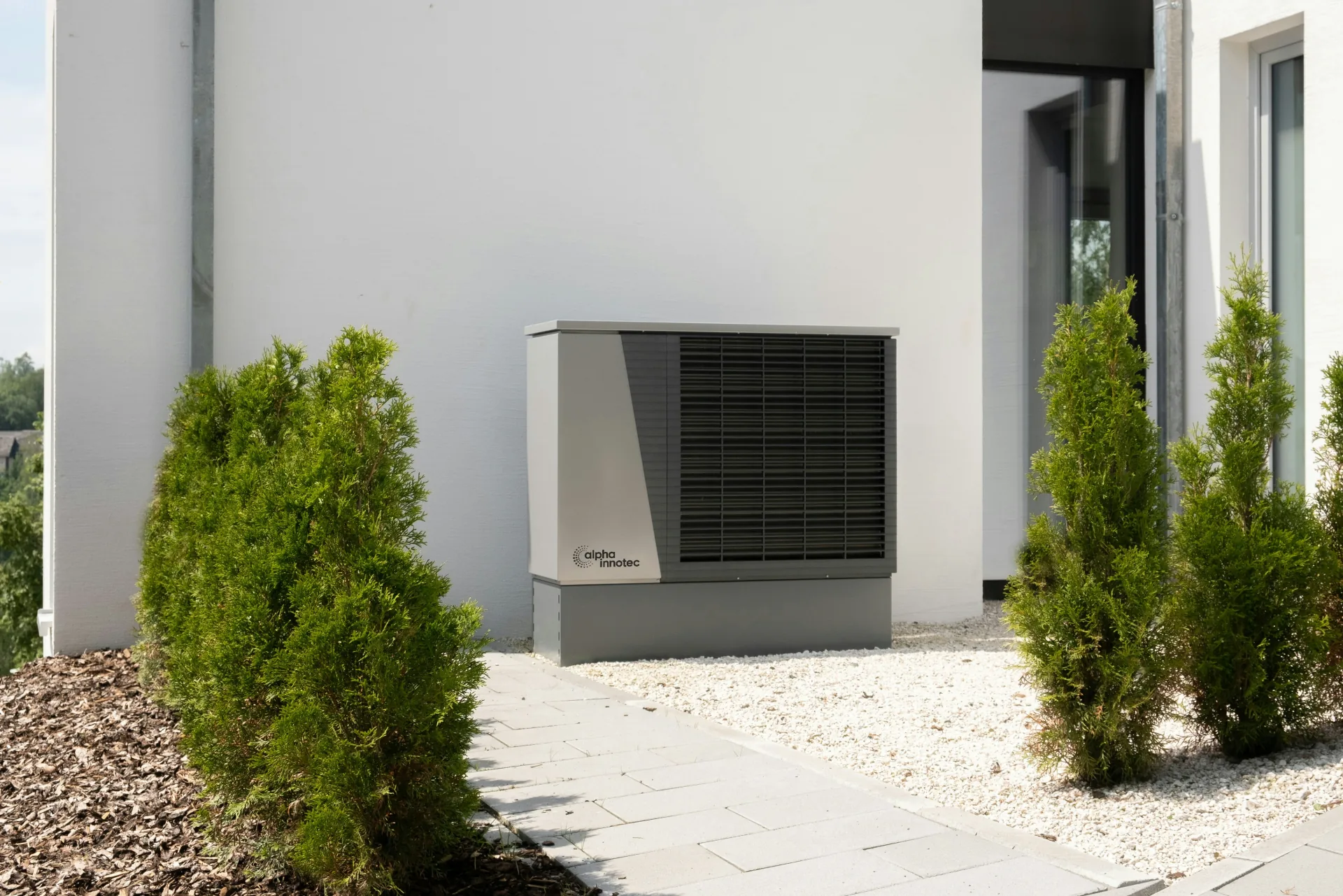
Dual-fuel (hybrid): Heat pump + gas furnace. Heat pump handles heating above ~5C, gas furnace below. Paired with electric water heating. Highest rebate tier. Popular in the Okanagan.
All-electric: Heat pump with electric water heating. Available in FortisBC electricity service areas (Penticton, Summerland, Grand Forks).
Gas combination: Gas boiler + heat pump in hydronic configuration. Electric water heating required.
Hydronic radiant floors are NOT eligible. Confirm with FortisBC before proceeding.
The Hybrid Heat Pump Pathway in Detail
The dual-fuel pathway is the heart of the FortisBC program and the reason it differs from the all-electric-focused stack of other rebates. In a hybrid system a single set of controls decides, hour by hour, which appliance runs. Above roughly 5C outdoor temperature the electric heat pump carries the load efficiently. Below that crossover point — when a cold-climate heat pump loses capacity and electricity is most expensive — the gas furnace takes over. The result is a home that stays efficient in shoulder seasons (most of the Okanagan heating year) while keeping a high-output gas backup for the coldest nights.
For FortisBC this is the appealing case: the gas connection is retained, but the home still posts strong modelled efficiency. That combination is what unlocks the highest rebate tier. The pairing with electric water heating is deliberate — domestic hot water is a large, steady load, and electrifying it materially improves the home’s modelled mechanical energy use without removing the gas furnace the program is built around. Note the trade-off versus the carbon-focused programs: a home with any gas connection cannot reach the all-electric (zero-carbon) targets some municipalities require, so check your local municipal requirements before committing to dual-fuel.
Eligibility Edge Cases That Disqualify Claims
A few requirements quietly sink otherwise-eligible projects:
- Gas-service-territory requirement. The New Home Program is a FortisBC offering. The hybrid and gas-combination pathways require the home to be within FortisBC’s natural gas service area. The all-electric pathway is available in FortisBC electricity service areas (Penticton, Summerland, Grand Forks). If your site is outside both, you are applying to a different utility’s program, not this one.
- Energy advisor must be engaged early — and again at the end. A registered energy advisor is required at both ends of the project: a pre-construction model that confirms the targets are achievable, and an as-built evaluation that proves they were met. Bringing the advisor in only at the end is the most common sequencing failure, because the design-stage model is what the rebate is registered against. See the energy advisor guide for what each phase involves.
- New construction only. The program is for new homes, not renovations or retrofits.
- Ineligible mechanical configuration. Hydronic radiant floor systems are not eligible. Confirm any unusual mechanical layout with FortisBC before you install it — discovering ineligibility after commissioning is unrecoverable.
- Missing the step you registered for. If your final blower door test comes back above target and the home lands a step lower than registered, the rebate drops to that lower step’s tier.
How to Apply
- Hire a program-qualified energy advisor before construction
- Build to Step 4 or 5 with eligible mechanical system
- Complete the as-built evaluation including final blower door test
- Submit through FortisBC’s portal: Declaration form, as-built compliance report, EnerGuide N report, HVAC commissioning sheet, load calculations
Deadline: Within 6 months of completion or program deadline (check FortisBC.com).
Multiplexes: Where Rebates Add Up
The per-unit structure makes multiplexes extremely attractive. On a triplex at Step 5, the combined FortisBC and CleanBC rebates can fully offset the incremental cost of compliance.
Because the rebate is paid per dwelling unit, the economics scale in a way single-family builders do not see. Three units that each qualify for the Step 5 tier triple the payout off one design effort and one energy-advisor engagement. For small-lot infill and the multiplex forms now permitted on many BC lots, this per-unit multiplication is often the single largest incentive in the whole project pro forma.
Other Rebates to Stack
- CleanBC New Construction: Federal and provincial incentives that stack with FortisBC
- BC Hydro incentives: For homes in BC Hydro service areas
- Municipal incentives: Kelowna offers $325 for mid-construction testing (max 3 per builder)
On a Step 5 home, $25,000+ in combined rebates is realistic. The full mechanics of how these layer together — which programs are mutually exclusive, which stack cleanly — are covered in the step code rebates guide.
The Airtightness Connection
You cannot access Step 4 or 5 rebates without meeting airtightness requirements. If your blower door test comes back at 1.8 ACH50 instead of 1.5, you drop to Step 3 rebates. The difference between 1.5 and 1.8 ACH50 can be worth $15,000 in lost rebates on a single home.
This is why investing in reliable air sealing is a financial decision, not just a construction quality decision. Use our rebate calculator to estimate your numbers.
Frequently Asked Questions
Does the FortisBC New Home Program require me to keep a gas connection? No. There are two routes. The hybrid and gas-combination pathways are built around a gas connection plus an electric heat pump, and they unlock the highest rebate tiers. But FortisBC also runs an all-electric pathway in its electricity service areas (Penticton, Summerland, Grand Forks). What you cannot do is reach the highest hybrid tier without the gas appliance the tier is defined around.
Can I apply after the house is finished? Not successfully. A registered energy advisor has to be engaged before construction to produce the pre-construction model the rebate is registered against, then again at the end for the as-built evaluation. The final submission also requires documents — the EnerGuide N report, HVAC commissioning sheet, and load calculations — that are difficult or impossible to reconstruct after the fact.
Why did two identical homes get different rebate amounts? Climate zone. FortisBC pays against expected energy saved, which is larger in colder zones with longer heating seasons. The same Step 4 home earns more in Climate Zone 5 (the Interior) than in milder Climate Zone 4 (the Lower Mainland). The mechanical system and the final step achieved account for the rest of the spread.